How to Plan the Perfect Hatta Sightseeing Tour
Hatta, a mountain town in the Hajar range, offers a landscape quite different from the coast. Its rocky peaks, terraced farms, and historic stone buildings make it a popular escape. A proper sightseeing tour here rewards you with scenery, heritage, and quiet corners that are easy to miss if you rush. The key is to decide what kind of experience you want and then build your day around it.
Step 1: Choose Your Starting Point and Route
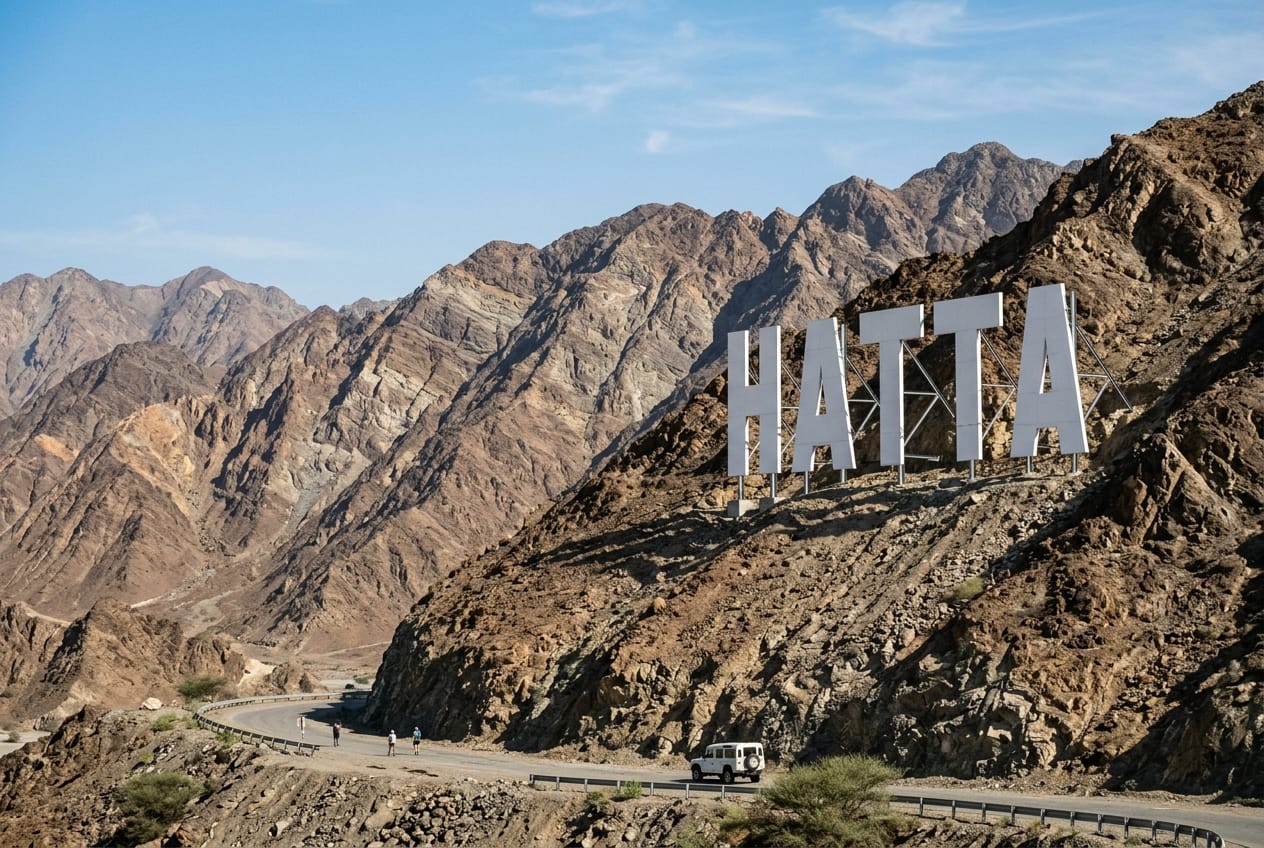
Hatta sits about 130 kilometres east of Dubai city, near the border with Oman. Most visitors drive from Dubai or the northern emirates. The main road into Hatta is the Hatta Road (E44), which climbs through dramatic wadis. If you are coming from the coast, plan for around 90 minutes of driving time each way. The road itself is part of the attraction: it winds through dry riverbeds and past rocky cliffs, with several pull-offs for photographs. For a full-day trip, leave early, ideally before 8 am, to beat the heat and the crowds. A later start still works but reduces the time you can spend at each stop, especially in the warmer months.
Step 2: Decide Between Self-Guided and Guided Options
Self-guided touring gives you flexibility. You can stop where you like, linger at viewpoints, and change your plan on the go. The trade-off is that you miss the context that a knowledgeable guide provides. Many visitors choose a guided tour for the commentary on local history, geology, and culture. One local option is Hatta Mountain Tour Dubai. If you prefer to explore independently, pick up a map at the Hatta Visitor Centre. The centre also has displays that give a good overview of the area's heritage. Whichever option you choose, it is worth confirming pickup points, duration, and what is included before you book.
Step 3: Plan Your Key Stops
A good sightseeing tour of Hatta covers several types of attractions. The area is compact enough that you can see a lot without spending the whole day in the car. Here are the main categories to consider.
Heritage Landmarks
Hatta's old village is a collection of restored stone houses, watchtowers, and a fort. The Hatta Heritage Village is the centrepiece, with exhibits showing traditional life, farming tools, and handicrafts. The nearby Hatta Fort, built in the late 18th century, offers panoramic views from its towers. Allow at least an hour for the heritage area. The buildings are best seen in the morning light, before the sun gets harsh. The local museum inside the heritage village has artefacts and photographs that explain the region's past. It is a small museum but worth a slow walk-through.
Panoramic Viewpoints
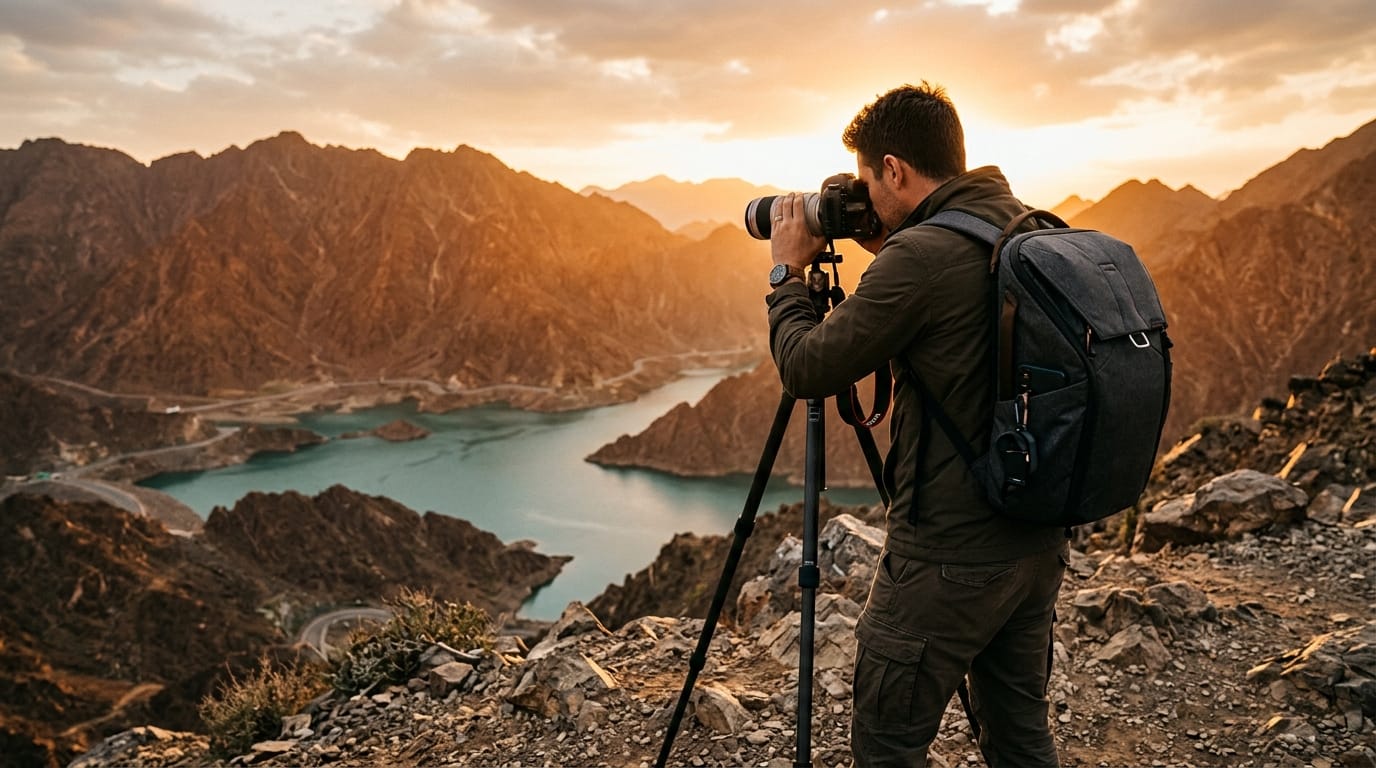
The Hatta Dam is the most photographed spot in the area. The turquoise water against the brown mountains is striking. A short walk from the car park leads to a viewing platform. Another viewpoint is at the top of the Hatta Hill Park, which overlooks the whole valley. The park has walking paths and benches, making it a good place for a rest. The best light for photography is in the late afternoon, when the sun warms the stone and the water glows. For a drive-through route, the road that loops around the dam gives multiple angles.
Nature Trails and Waterfront Walks
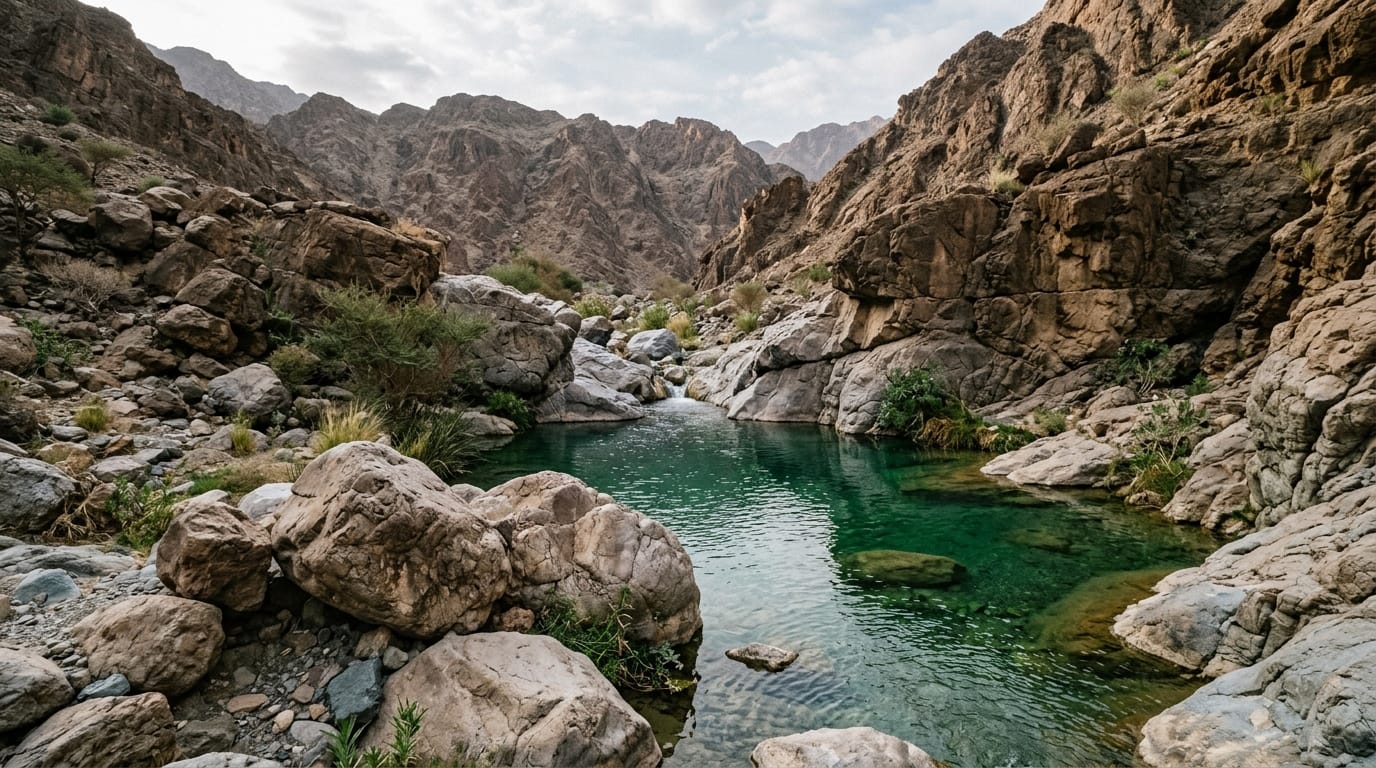
If you enjoy walking, the Hatta Wadi Hub offers several nature trails. The trails range from short, easy loops to longer routes that follow the wadi floor. The Wadi Hub also has a waterfront promenade along the Hatta Dam. The promenade is shaded in parts and has benches where you can sit and watch the water. The walk is flat, so it suits all fitness levels. The trails are best tackled early in the morning or later in the afternoon, as the midday sun can be intense. Bring water and sun protection. The terrain is rocky in places, so sturdy shoes help.
Step 4: Consider a Drive-Through Route for the Scenery
Some of Hatta's best scenery is not at any particular landmark but along the roads that connect them. The drive from the dam to the Hatta Fort, for example, passes through a wadi with date palms and old stone walls. Another scenic stretch is the road to the Hatta Honey Bee Garden, which climbs into the hills and offers long views back toward the main valley. A drive-through route lets you cover more ground. It also gives you a sense of the landscape's scale. If you are short on time, a two-hour loop that takes in the dam, the heritage village, and the hill park will give a good taste. For a fuller day, add the Wadi Hub and one of the longer nature trails.
When planning your route, keep in mind that some roads are narrow and winding. Drive slowly and watch for cyclists. The Hatta area has become popular with cyclists for its quiet roads and challenging climbs. If you are not used to mountain driving, stick to the main roads. A visit to hattamountaintourdubai.com can provide additional route ideas and practical tips for navigating the area. The site offers an overview of the main sightseeing circuits, which is especially helpful if you are unfamiliar with the terrain.
Step 5: Factor in Time for Rest and Refreshments
Sightseeing is tiring, especially in the heat. Plan breaks. The Hatta Visitor Centre has a cafe with drinks and light snacks. There are also several restaurants in the town, mainly serving Emirati and Arabic cuisine. For a picnic, stop at the Wadi Hub or the hill park. The dam area has shaded picnic tables. If you are on a guided tour, check whether lunch is included or if you need to budget for it. The town has a few small shops for water and snacks, but supplies are limited. Bring a refillable water bottle and fill it at the visitor centre. The tap water is treated and safe to drink. Also carry sunscreen and a hat, as shade is scarce in many parts of the site.
Step 6: Check the Weather and Seasonal Factors
Hatta can be visited year-round, but the experience changes with the seasons. The cooler months, from November to March, are the most pleasant for walking and outdoor activities. Temperatures range from the low 20s to the mid-30s Celsius. In summer, from June to September, daytime temperatures often exceed 40 Celsius. Sightseeing is still possible if you go early or late in the day, but the midday hours are best spent indoors or in the car. The dam's water level also varies. In spring, after the winter rains, the reservoir is full and the surrounding hills are green. By late summer, the water level drops and the landscape turns brown. If your main interest is photography, spring is the best time.
Step 7: Pack the Essentials
A sightseeing tour to Hatta requires some preparation. Here are the items most visitors find useful:
- Comfortable walking shoes for the uneven terrain around the fort and the wadi trails.
- Sun protection: hat, sunglasses, and sunscreen. The reflection off the water and rock can be intense.
- A refillable water bottle. The visitor centre has water stations.
- A camera or a phone with a good lens. The dam and the fort are very photogenic.
- A light jacket or long sleeves for the cooler months, especially if you plan to be out at sunset.
If you are bringing children, pack snacks and entertainment for the car ride. The drive from Dubai is long for young ones. The heritage village and the dam have open spaces where kids can run around. The Wadi Hub also has a playground. For older children, the nature trails offer a chance to spot local wildlife, such as mountain goats and birds of prey.
Step 8: Respect the Environment and Local Customs
Hatta is a conservation area. Stick to marked trails and paths. Do not climb on the old stone walls or enter buildings that are fenced off. Littering is not acceptable; carry your rubbish out with you. The heritage sites are part of the local community's history. Treat them with the same respect you would give any historic site. Photography is allowed at most locations, but be mindful of people's privacy, especially in the heritage village where some spaces are still used by locals. If you are visiting during Ramadan, note that many restaurants and shops may be closed during the day. It is a good idea to check opening hours in advance.
Step 9: Allow Flexibility in Your Itinerary
The best sightseeing tours leave room for spontaneity. You might discover a viewpoint you did not plan for, or decide to spend longer at the fort than expected. Hatta's compact layout makes it easy to adjust. If you finish your planned stops early, consider a detour to the Hatta Honey Bee Garden or the Hatta Kayak Lake, where you can rent a kayak and paddle on the dam. Both are close to the main attractions. The key is not to over-schedule. A relaxed pace lets you absorb the atmosphere. The area's appeal is as much about the quiet and the space as it is about the individual sights.
For more details on the available sightseeing circuits and practical advice, a visit to hattamountaintourdubai.com can help you refine your plan. The site provides a clear overview of the main stops and tips for making the most of your day. Whether you choose a guided tour or a self-drive, the information there can save you time and help you avoid common mistakes, such as arriving at a viewpoint in the full glare of midday or missing a heritage landmark that is easy to overlook.
In summary, a successful Hatta sightseeing tour comes down to planning your route, choosing the right stops for your interests, and allowing enough time to enjoy them. The area offers enough variety for a half-day or a full day. The cooler months are the most comfortable for walking, but the summer months still offer good conditions if you work around the heat. With a little preparation, you can see the best of what Hatta has to offer. For those looking for a guided experience, Hatta Mountain Tour Dubai is available at 452H+GHH Dubai warsan towers - Hessa St - Al Thanyah First - Barsha Heights - Dubai - United Arab Emirates, phone +971 52 440 9525. They can assist with planning your sightseeing itinerary.